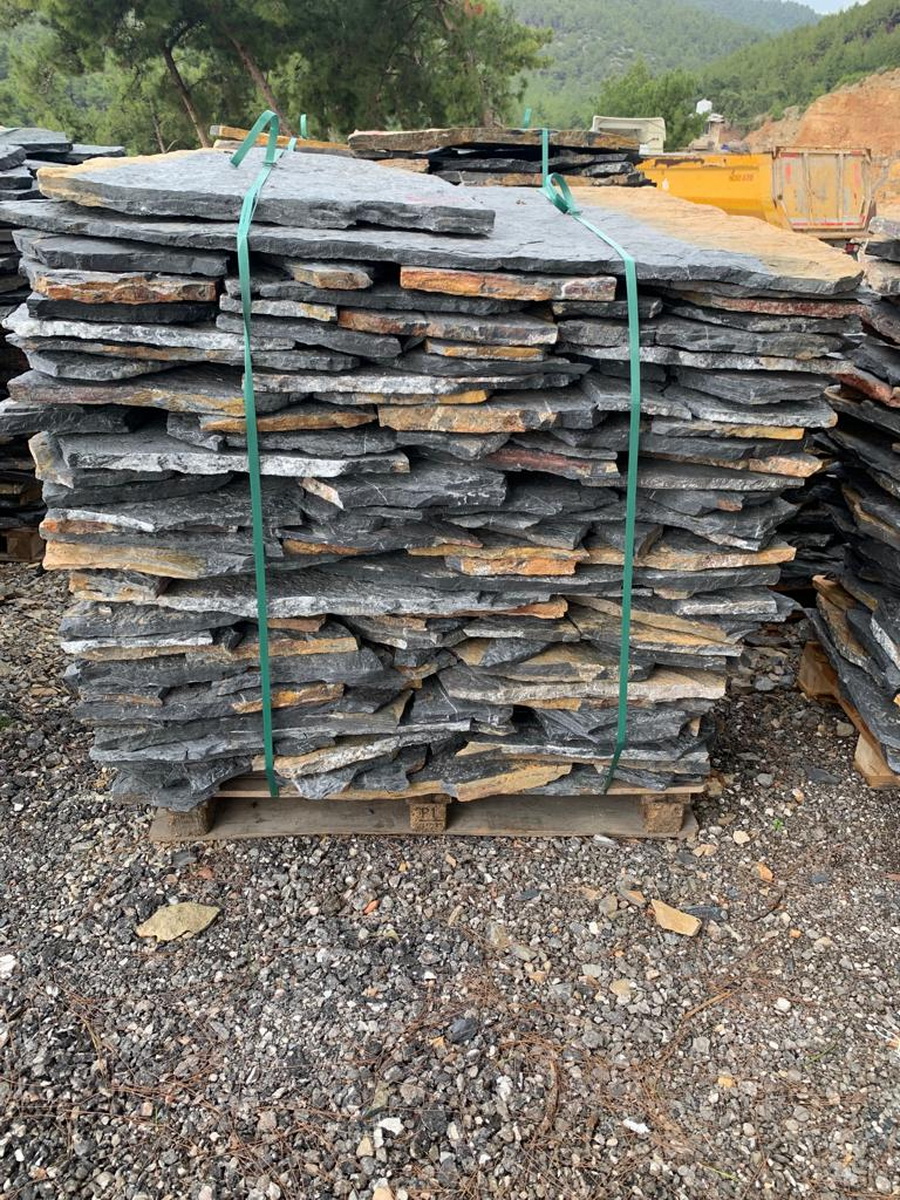
Slate stone is more than just a building material — it’s a timeless investment in your home or commercial space. But let’s be honest, understanding slate stone prices can be like trying to navigate a maze blindfolded. How do you know you’re getting the best deal without compromising on quality? Luckily, we’ve got your back. In this comprehensive guide, we’ll unravel the mystery behind slate stone pricing, breaking it down piece by piece, so you can confidently make an informed decision. Ready to dive in?
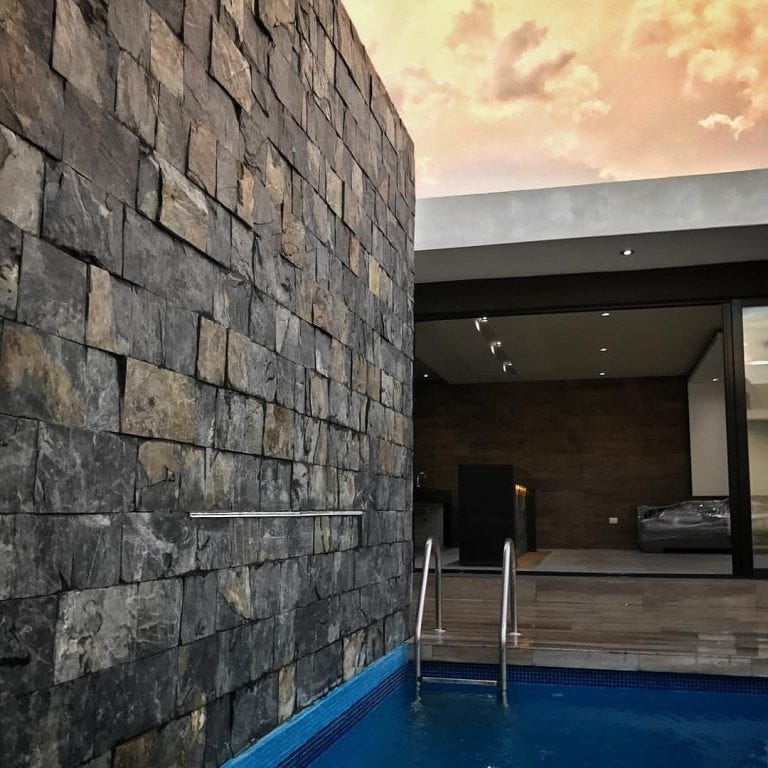
What Exactly is Slate Stone?
Before diving into pricing, let’s quickly cover the basics. Slate stone is a fine-grained, metamorphic rock known for its stunning appearance, durability, and versatility. Popularly used in roofing, flooring, landscaping, and wall cladding, slate adds elegance and character to any space. But how much does this elegance cost?
Factors Influencing Slate Stone Prices
Understanding slate stone prices means looking at several crucial factors. Here’s what matters:
1. Quality and Grade
Not all slate is created equal. Higher-grade slate, known for its durability and minimal imperfections, commands a premium price. Conversely, lower-grade slate, although budget-friendly, might not offer the longevity you desire. It’s like choosing between fine wine and table wine; both have their place, but you get what you pay for.
2. Color Variations
Color impacts slate pricing significantly. Common colors like gray or black are typically more affordable. Unique shades such as red, green, or multi-color varieties are rarer, increasing their market value. Think of rare colors as limited-edition sneakers; their scarcity naturally drives up their price.
3. Origin and Source
Slate from renowned regions — like Vermont in the USA, Brazil, or Wales — usually fetches higher prices. These regions have built reputations for quality slate, often reflected in the price tag. It’s akin to paying more for Swiss chocolate; the brand and origin add value.
4. Size and Thickness
Larger, thicker slate slabs cost more due to higher manufacturing costs. Thin slate tiles are generally cheaper but may not be as durable, especially for heavy-duty applications. Choosing slate thickness is similar to selecting carpet pile: thicker might mean pricier, but it often lasts longer.
5. Finish and Texture
Slate finishes — like honed, cleft, polished, or tumbled — affect prices. Polished slate, requiring additional labor, can be pricier than natural cleft finishes. It’s like paying extra for hand-finished furniture; that extra care adds to the final cost.
6. Quantity and Bulk Discounts
Ordering in bulk often saves money. Suppliers offer discounts for larger quantities, reducing overall costs. Just like buying wholesale groceries saves you money, buying slate in larger volumes is economical in the long run.
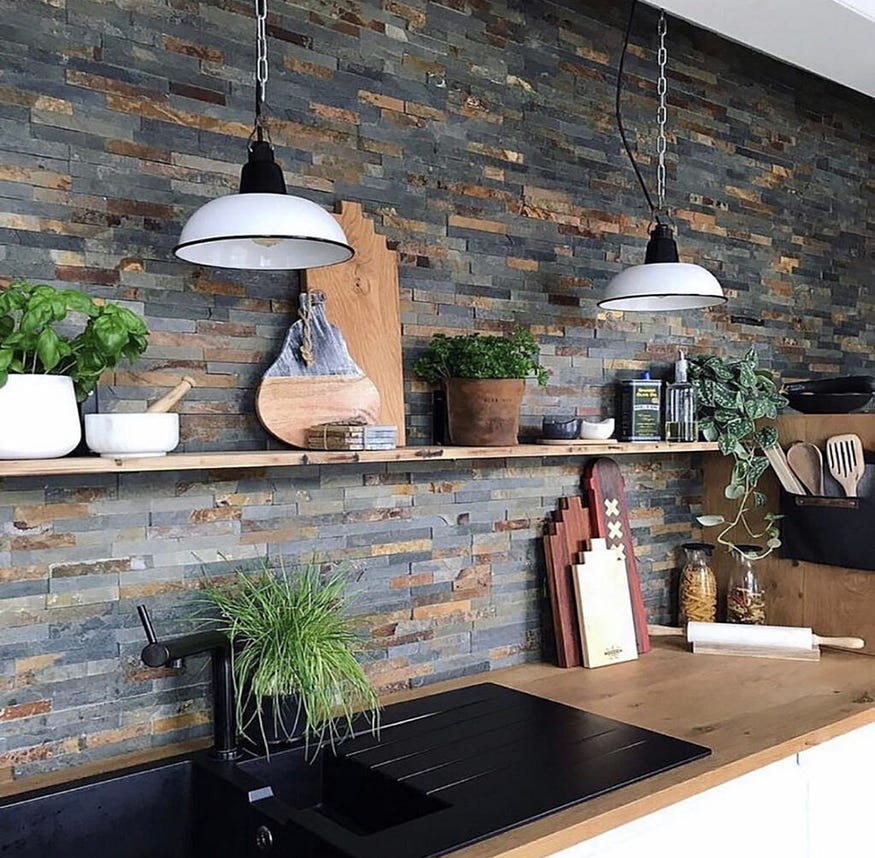
Average Slate Stone Prices
Let’s talk numbers. Here are average price ranges for different slate products:
Slate Tiles
- Standard Slate Tiles: $4–$10 per square foot
- Premium or Imported Tiles: $10–$25 per square foot
Slate Roofing
- Basic Slate Roofing: $8–$15 per square foot
- High-Quality Slate Roofing: $20–$30 per square foot
Slate Slabs
- Countertops or Large Slabs: $50–$100 per square foot, depending on thickness and finish
Keep in mind, these prices are averages. Your actual costs might differ based on location, vendor, and specific needs.
Installation Costs: The Hidden Price Factor
Beyond buying slate, installation significantly impacts your overall budget. Professional installation can add between $5–$15 per square foot. DIY installation might seem cost-effective, but improper installation could lead to future expenses. Remember, it’s not just about buying the car; it’s about the cost of maintaining it too.
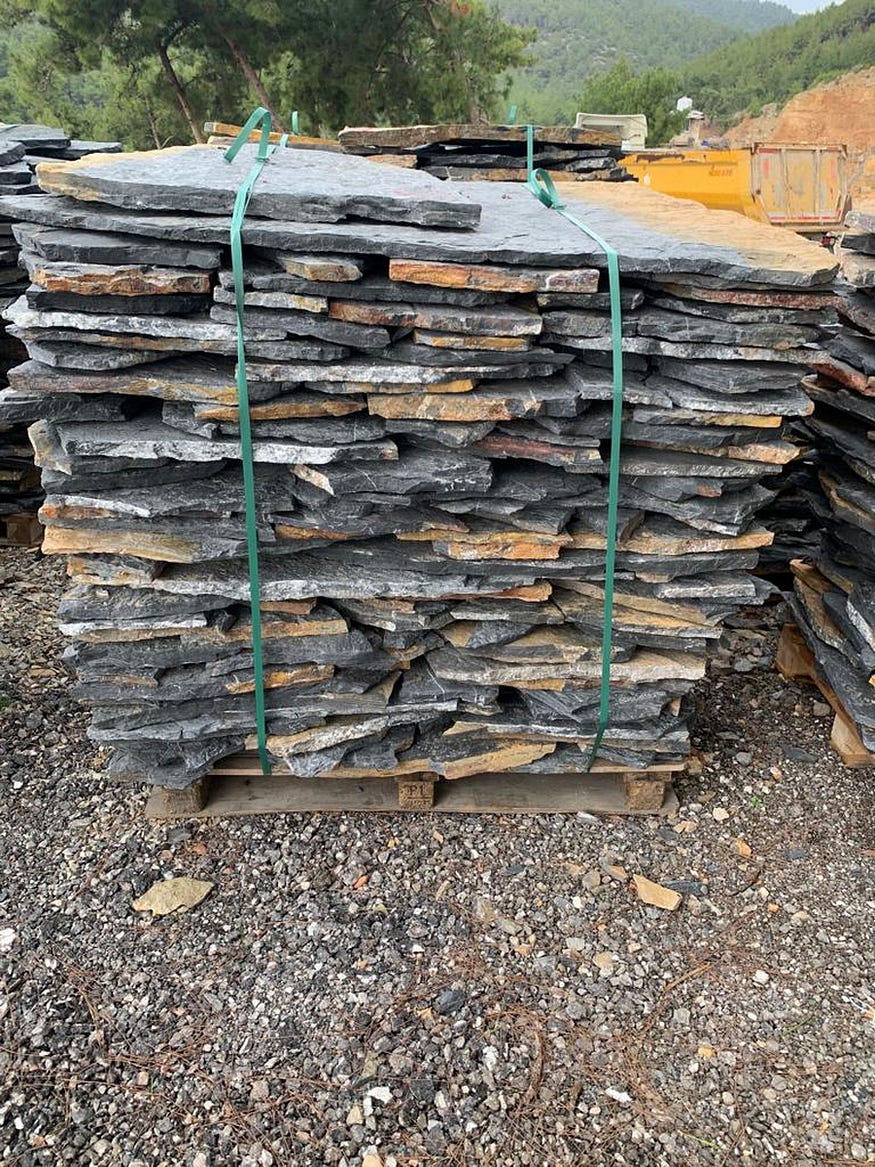
How to Get the Best Deals on Slate Stone
Everyone loves a good bargain. Here are insider tips to get slate at the best prices:
1. Compare Multiple Suppliers
Never settle for the first quote. Shop around, compare quality, and negotiate. Treat it like shopping for a car; the more dealerships you visit, the better deal you’ll find.
2. Purchase During Off-Season
Buying slate in winter or early spring often results in better deals. Suppliers are eager to clear stock, providing discounts. Think of it as buying winter clothing in summer; prices drop significantly.
3. Look for Closeouts or Overstock
Closeouts or discontinued lines offer huge savings. Quality remains high, but prices drop considerably. Imagine finding a designer jacket at a clearance sale — same quality, lower price.
4. Opt for Local Suppliers
Local suppliers reduce transportation costs and often offer competitive prices. Supporting local businesses is like buying produce from a farmer’s market; it’s fresher and often cheaper.
5. Negotiate Bulk Purchases
If possible, buy in bulk. Bulk purchases always come with attractive discounts, helping reduce overall costs. Think of it as buying in bulk from wholesale clubs; the per-unit cost drops significantly.
Slate Stone vs. Other Materials: Cost Comparison
Is slate stone cost-effective compared to alternatives like granite, marble, or porcelain? Let’s compare:
- Slate vs. Granite: Slate ($4–$25/sq.ft.) vs. Granite ($40–$100/sq.ft.)
- Slate vs. Marble: Slate ($4–$25/sq.ft.) vs. Marble ($50–$150/sq.ft.)
- Slate vs. Porcelain: Slate ($4–$25/sq.ft.) vs. Porcelain ($3–$35/sq.ft.)
Clearly, slate is often more affordable than granite and marble while offering comparable durability and beauty.
Advantages of Investing in Slate Stone
Why choose slate despite the varied costs? Here are solid reasons:
- Durability: Slate can last decades, even centuries.
- Aesthetic Appeal: Timeless, natural beauty.
- Low Maintenance: Easy to clean and maintain.
- Fire and Water Resistant: Ideal for kitchens and bathrooms.
- Eco-Friendly: Natural and recyclable.
Slate stone is the ‘little black dress’ of building materials — versatile, timeless, and always in style.
Common Mistakes to Avoid When Buying Slate Stone
To ensure a wise investment, avoid these pitfalls:
- Choosing Low-Quality Slate: Cheap now, costly later.
- Ignoring Installation Costs: Factor in all costs, not just purchase price.
- Not Getting Samples: Always see and touch before buying.
- Skipping Professional Advice: Experts can save you costly mistakes.
It’s like cooking without tasting your food; you might end up disappointed with the final result.
Is Slate Stone Worth the Price?
In short, yes. Slate’s blend of beauty, durability, and low maintenance justifies its price. It’s not merely an expense — it’s an investment in quality living. Like investing in fine art, it adds lasting value to your space.
Conclusion
Slate stone prices vary widely based on quality, origin, color, size, and finish. But armed with the right knowledge, getting the best deal is straightforward. By understanding what impacts pricing and leveraging negotiation tips, slate becomes a practical, long-lasting, and aesthetically pleasing choice. Investing in slate isn’t just buying stone — it’s enhancing your lifestyle and space.
{finish}
FAQs
1. How much does slate cost per square foot?
Typically, between $4 to $25, depending on quality, color, and finish.
2. Is slate stone cheaper than granite?
Yes, slate is generally more affordable than granite.
3. Does slate require a lot of maintenance?
No, slate is low maintenance, requiring simple cleaning.
4. Is slate durable enough for outdoor use?
Absolutely. Slate is extremely durable and weather-resistant.
5. Can slate stone prices be negotiated?
Yes, especially when purchasing in bulk or off-season.
 Dijital Dünyadan Haberler
Yorum bırakın